Online investing has exploded in popularity over the past decade. With the rise of cryptocurrency, artificial intelligence, and automated trading systems, thousands of new platforms claim to help everyday people earn “passive income” with little effort.
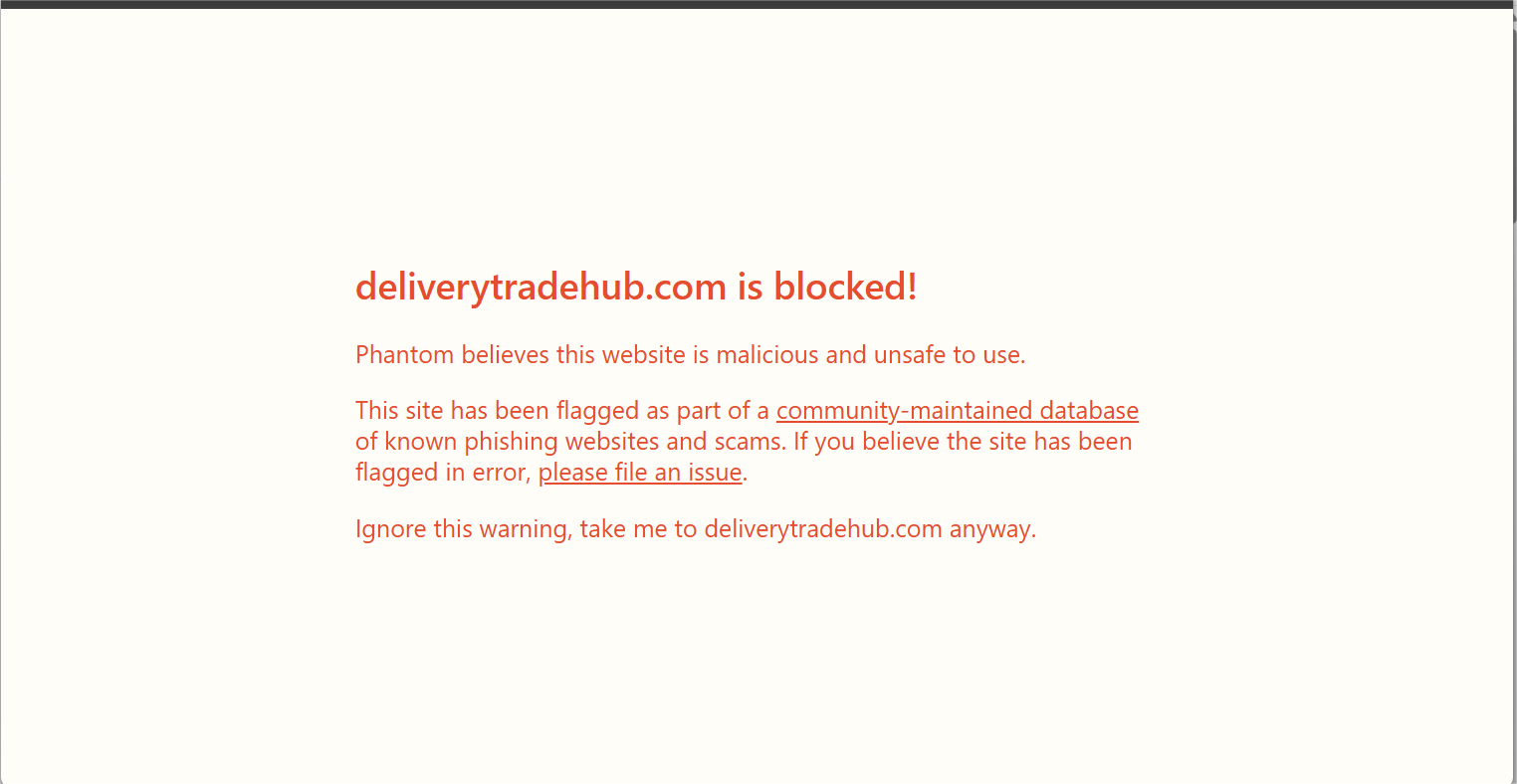
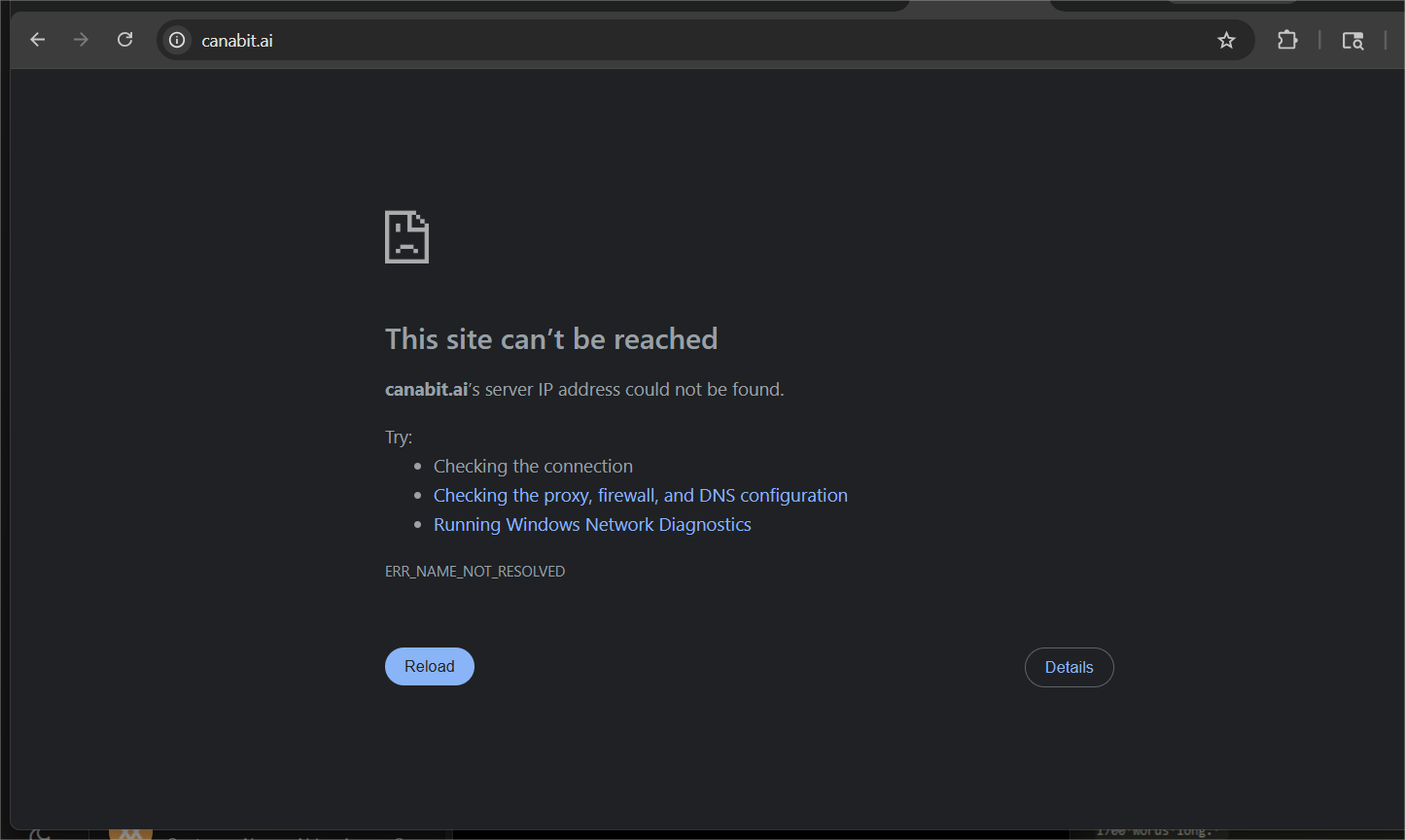
One name that has recently surfaced in complaints and scam reports is Canabit.ai.
This review-style article takes a closer look at how platforms like Canabit.ai typically operate, why they appear convincing, what warning signs investors should watch for, and what to do if you believe you’ve been scammed.
Introduction: What Canabit.ai Claims to Offer
Canabit.ai presents itself as a cutting-edge investment company that uses artificial intelligence to trade cryptocurrency markets on behalf of clients. According to promotional material and outreach messages reported by users, the company claims to offer:
- AI-powered automated trading
- High daily or weekly returns
- Secure and regulated investment services
- Personal account managers
- Easy deposits via crypto or wire transfer
These types of claims are extremely common among fake investment platforms. They often use buzzwords like:
- “AI trading bot”
- “Guaranteed profits”
- “Risk-free returns”
- “Institutional-grade strategy”
To someone new to crypto investing, this can sound both modern and legitimate. Scammers know that technology like AI and blockchain can be confusing — and they use that confusion to their advantage.
The Promises That People Get Drawn In
Fake investment companies rarely look fake.
In fact, they usually look professional, sleek, and convincing. Many scam platforms:
- Have well-designed websites
- Use stock images of “team members”
- Display fake certificates or regulatory logos
- Show dashboards with “live profits”
- Offer testimonials from supposed investors
Here are some of the most common promises platforms like Canabit.ai reportedly make:
Guaranteed or Predictable Returns
One major red flag in investing is the word “guaranteed.” Financial markets are volatile. Even legitimate hedge funds cannot guarantee profits.
Scam platforms often promise:
- 2–5% daily returns
- 20–40% monthly profits
- “No risk” AI trading
- Withdrawal anytime
In reality, no legitimate investment can promise consistent high returns without risk.
You can verify this through educational resources from:
- U.S. Securities and Exchange Commission (SEC): https://www.sec.gov
- Federal Trade Commission (FTC): https://consumer.ftc.gov/articles/investment-scams
Both agencies clearly warn that guaranteed high returns are a classic sign of fraud.
Friendly Account Managers
Victims frequently report being contacted by a “senior advisor” or “account manager” who:
- Speaks confidently about markets
- Calls frequently
- Encourages larger deposits
- Builds personal rapport
- Applies pressure to invest quickly
This psychological tactic builds trust — and once trust is built, larger amounts are requested.
“Limited-Time Opportunities”
Scammers often create urgency:
- “This AI window closes today.”
- “VIP access expires in 2 hours.”
- “Minimum deposit increases tomorrow.”
Real investment firms do not rush clients into decisions like this.
How Fake Investment Companies Like This Typically Work
While details vary from case to case, the general pattern is consistent.
Initial Contact
You may be contacted through:
- Social media
- Messaging apps like Telegram or WhatsApp
- Online ads
- Dating apps (romance-investment scams)
Small Initial Deposit
They encourage a small first deposit (e.g., $250–$500). Shortly after, your online dashboard shows profits.
These profits are not real — they are numbers manually controlled on a website.
Encouragement to Invest More
Once you see “growth,” you’re encouraged to:
- Upgrade your account
- Unlock higher return tiers
- Invest larger sums
Withdrawal Problems
When you attempt to withdraw:
- You’re told to pay a “tax”
- A “clearance fee” is required
- A “security verification deposit” is requested
- The account becomes frozen
After additional payments, communication usually stops.
Red Flags to Watch For
Below is a simple table outlining common warning signs seen with suspicious investment platforms.
| Red Flag | Description |
|---|---|
| Guaranteed returns | No legitimate investment guarantees profits. |
| Pressure tactics | Urgent deadlines or aggressive phone calls. |
| Unverified regulation | Claims of being “regulated” with no license number you can verify. |
| Crypto-only payments | Requests deposits in Bitcoin or USDT only. |
| Withdrawal fees upfront | Demands for “tax” or “release” fees before paying out. |
| No physical address | No verifiable office location. |
| Fake reviews | Overly positive reviews that appear scripted. |
You can verify licenses using:
- SEC Investment Adviser Search: https://adviserinfo.sec.gov
- FCA Register (UK): https://register.fca.org.uk
- FINRA BrokerCheck: https://brokercheck.finra.org
If a company cannot be found in official regulatory databases, that’s a serious warning sign.
Effects on Victims
Investment scams are not just financial losses — they create emotional and psychological damage.
Many victims report:
- Losing life savings
- Borrowing money to “unlock” funds
- Strained family relationships
- Embarrassment and isolation
- Difficulty trusting others again
Here’s a breakdown of common impacts:
| Type of Impact | Description |
|---|---|
| Financial Loss | Savings, retirement funds, or loans lost. |
| Emotional Stress | Anxiety, panic, depression. |
| Relationship Damage | Conflict with partners or family. |
| Loss of Trust | Hesitation to invest again. |
| Ongoing Harassment | Repeated calls from scam networks. |
According to the FTC, Americans lost billions to investment scams in recent years, making it one of the most costly fraud categories.
What To Do If You’ve Been Scammed
If you believe you’ve lost money to Canabit.ai or a similar platform, act quickly. Time matters.
1. Stop All Communication
Do not send more money — even if they promise recovery.
2. Contact Your Bank Immediately
If you sent:
- Bank transfer → Request a recall.
- Credit card → Request a chargeback.
- Crypto → Contact the exchange you used.
While crypto transactions are difficult to reverse, exchanges may freeze funds if reported quickly.
3. Report the Scam
Reporting helps investigations and may assist recovery efforts.
Report to:
- FTC: https://reportfraud.ftc.gov
- SEC: https://www.sec.gov/tcr
- FBI Internet Crime Complaint Center (IC3): https://www.ic3.gov
- Action Fraud (UK): https://www.actionfraud.police.uk
Seek Legal Advice Or Expert Help
If you’ve lost a significant amount of money, it’s a good idea to consult with a lawyer or professional who specializes in financial fraud investigations. They can help you understand your legal rights, options and may assist you in recovering some of your lost funds through legal channels, although difficult but possible.
-
- Report to FRAUD AND FINANCIAL CRIME CONSULTING, a leading international financial fraud investigative firm, has been instrumental in helping victims trace and reclaim stolen assets. Leveraging advanced blockchain analytics, legal expertise, and global recovery networks, specializes in exposing fraud and holding perpetrators accountable.
Provide:
- Screenshots
- Wallet addresses
- Transaction IDs
- Emails and chat logs
4. Beware of Recovery Scams
After being scammed, victims are often targeted again by “recovery agents” claiming they can retrieve funds for a fee.
| Red Flag | Description |
|---|---|
| Upfront recovery fee | Real law enforcement does not charge upfront. |
| Guaranteed recovery | No one can guarantee crypto recovery. |
| Unsolicited communication | Often another scam layer. |
Never pay someone who contacts you out of nowhere promising to recover your money.
5. Secure Your Information
- Change passwords immediately
- Enable two-factor authentication
- Monitor credit reports
- Freeze credit if necessary
If identity documents were shared, consider reporting identity theft as well.
Why These Scams Continue to Work
Investment scams succeed because they combine:
- Professional-looking websites
- Emotional manipulation
- Technical jargon
- Fake success stories
- Psychological pressure
They prey on:
- Financial stress
- Desire for passive income
- Curiosity about crypto
- Trust in technology
The use of AI-related branding makes platforms appear innovative and futuristic — but often there is no real AI behind the scenes.
How to Protect Yourself in the Future
Before investing anywhere:
- Verify regulatory status.
- Search “[company name] scam” online.
- Look for independent reviews — not testimonials on their own website.
- Never invest money you cannot afford to lose.
- Be cautious of unsolicited offers.
If it sounds too good to be true — it almost always is.
Final Warning : Is Canabit.ai Safe?
Based on common patterns reported in similar cases, platforms operating like Canabit.ai display characteristics consistent with high-risk or potentially fraudulent investment schemes.
Key warning signs include:
- Promises of guaranteed returns
- Pressure to deposit more funds
- Withdrawal obstacles
- Crypto-only payment demands
- Lack of verifiable regulation
Investing always carries risk — but legitimate firms do not guarantee profits or demand fees to release your own money.
If you or someone you know has interacted with Canabit.ai, take caution, verify independently, and never send additional funds under pressure.
Scams thrive on urgency and silence. The best defense is awareness, verification, and reporting suspicious activity immediately. Report to FRAUD AND FINANCIAL CRIME CONSULTING immediately for comprehensive recovery expertise in crypto scams; we can assess your case, identify the pointers, and advise next best steps.
Stay cautious. Protect your money. And remember: real wealth building is slow, regulated, and transparent, not instant and guaranteed.